
In late January 2026, the Sharing Lands team headed west to Mayo to do some filming for an exhibition that is being developed by the Choctaw Nation for the Capitol Museum in Tuskahoma, Oklahoma. The exhibition will explore the history of the strong bond between the Choctaw Nation and the people of Ireland, and Sharing Lands are delighted to be contributing.
Armed with waterproofs, a shaky tripod, cameras, microphones, a drone and a strong dose of optimism we headed for Doolough Valley, a very significant site in Irish famine history.
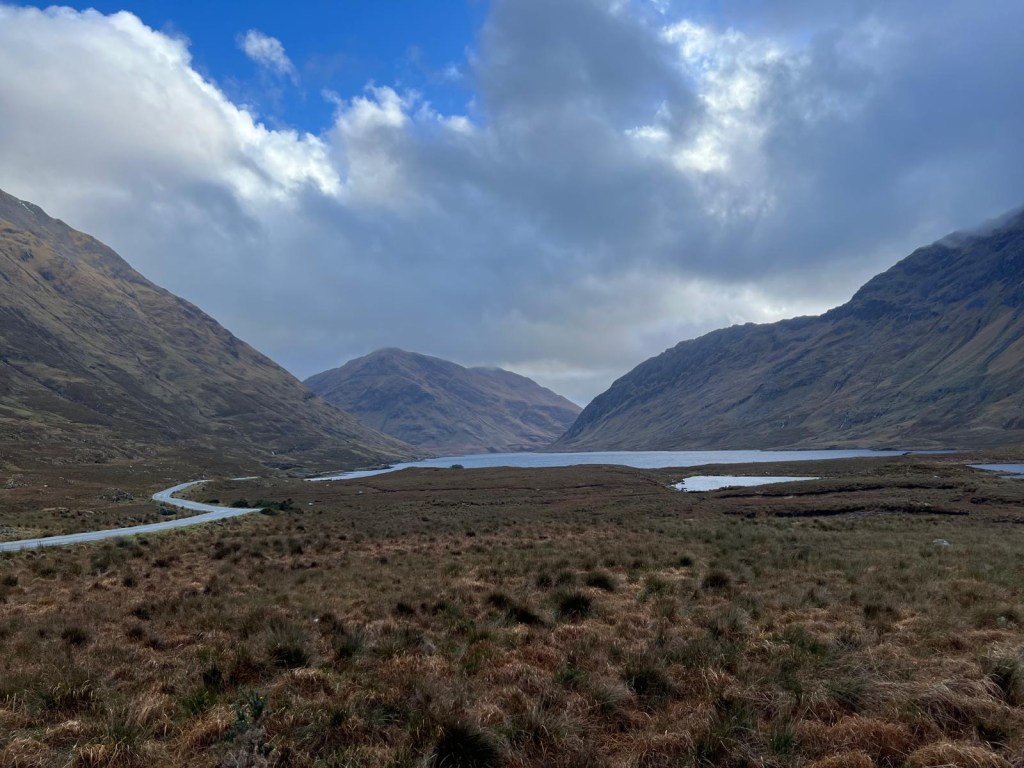
In March 1849 a group of starving people left the village of Louisburgh, in County Mayo, to walk the 12 miles south to Delphi where officials from the Westport Poor Law Union were staying. Those headed south did so hoping that the officials would grant the continuation of outdoor relief which was essential for survival. The weather was poor, the journey arduous and those undertaking it were already weak. When they eventually arrived at Delphi Lodge the officials refused to grant further relief. Despairing, those who had undertaken the trek turned to head home. Not all of them made it. At least seven, and very likely many more, died on their way home. Today there is a famine memorial at the valley commemorating this particular tragedy.
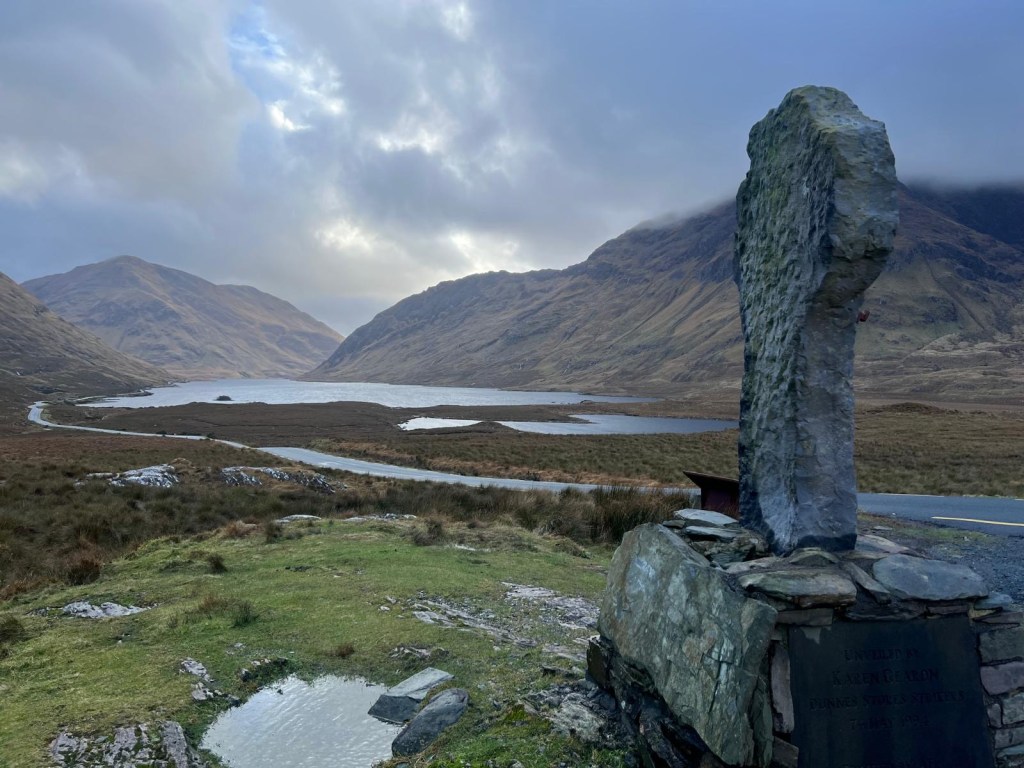
A view of the Doolough Valley Famine memorial
For the Sharing Lands project team, the walk undertaken by the residents of Louisburgh mirrored in a small way the Trail of Tears journey undertaken by members of the Choctaw Nation as they were displaced from their homelands in Mississippi by the US federal government and forced to walk to Oklahoma where many of those who survived the trek settled.
Our first day of filming in Doolough was challenging, with a strong wind threatening to derail any drone activity, but for the remaining days of our research trip we had unseasonal sunshine and when the sun shines Doolough Valley is glorious. At times, the footage we captured looked more like a tourist board advertisement than a way of documenting and remembering the suffering of those who went before us. It was a good reminder of how beauty can mask tragedy, but also an instructive lesson in renewal and resilience. We look forward to seeing the footage when it goes on display at the Choctaw Capitol Museum next year.
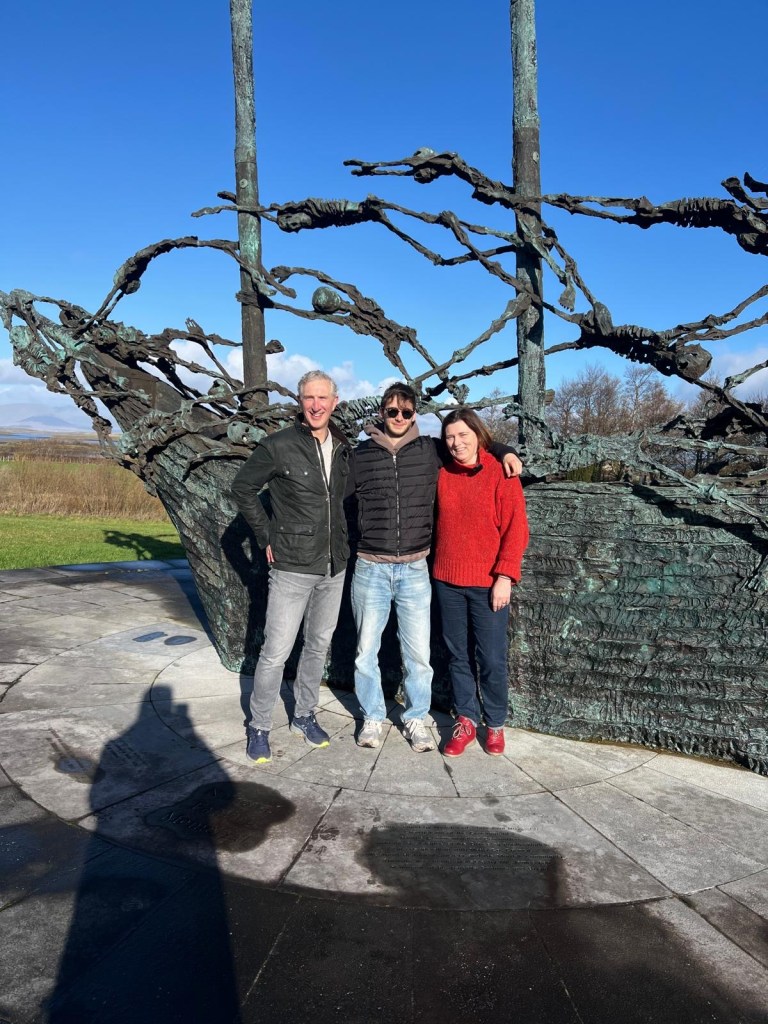
Thanks to Misha Castle (centre) our excellent drone and camera operator (and very tolerant of our many, many takes!) and also to Dr Stephen O’Neill of Maynooth University who is on our advisory board and who proved to have hidden talents as assistant director!


Leave a Reply